
Home > Trending > Wine Habit
A South African Doctor Explains Why Grey-Area Drinking Is So Hard To Stop
It's not your willpower. It's a 1,300-year-old ingredient your liver has been destroying before it ever reaches your bloodstream.
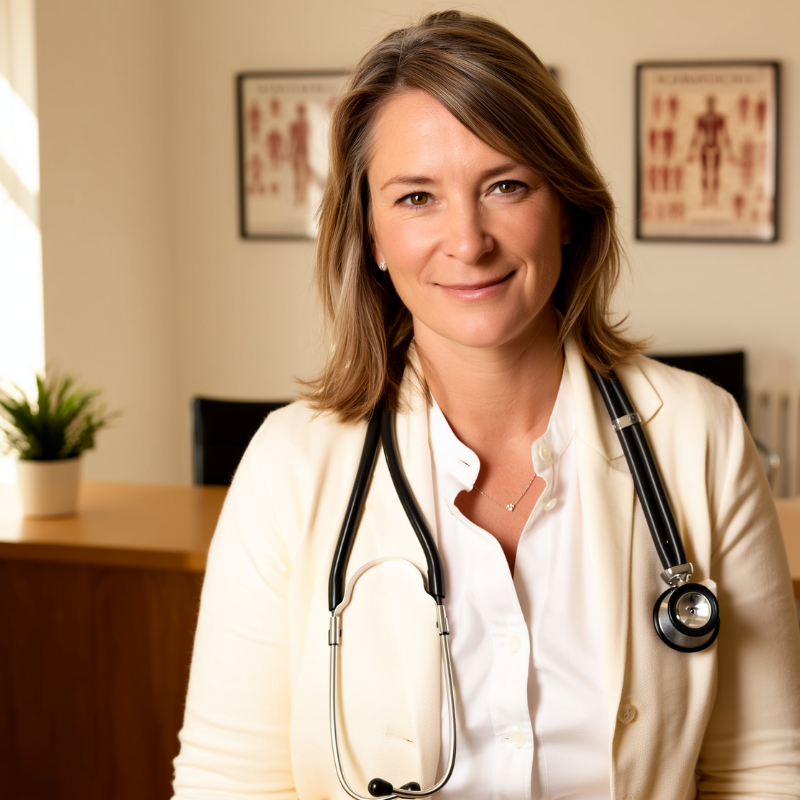
By Dr. Eleanor Marchetti

• 3 minute read

By Dr. Eleanor Marchetti
• 3 min read
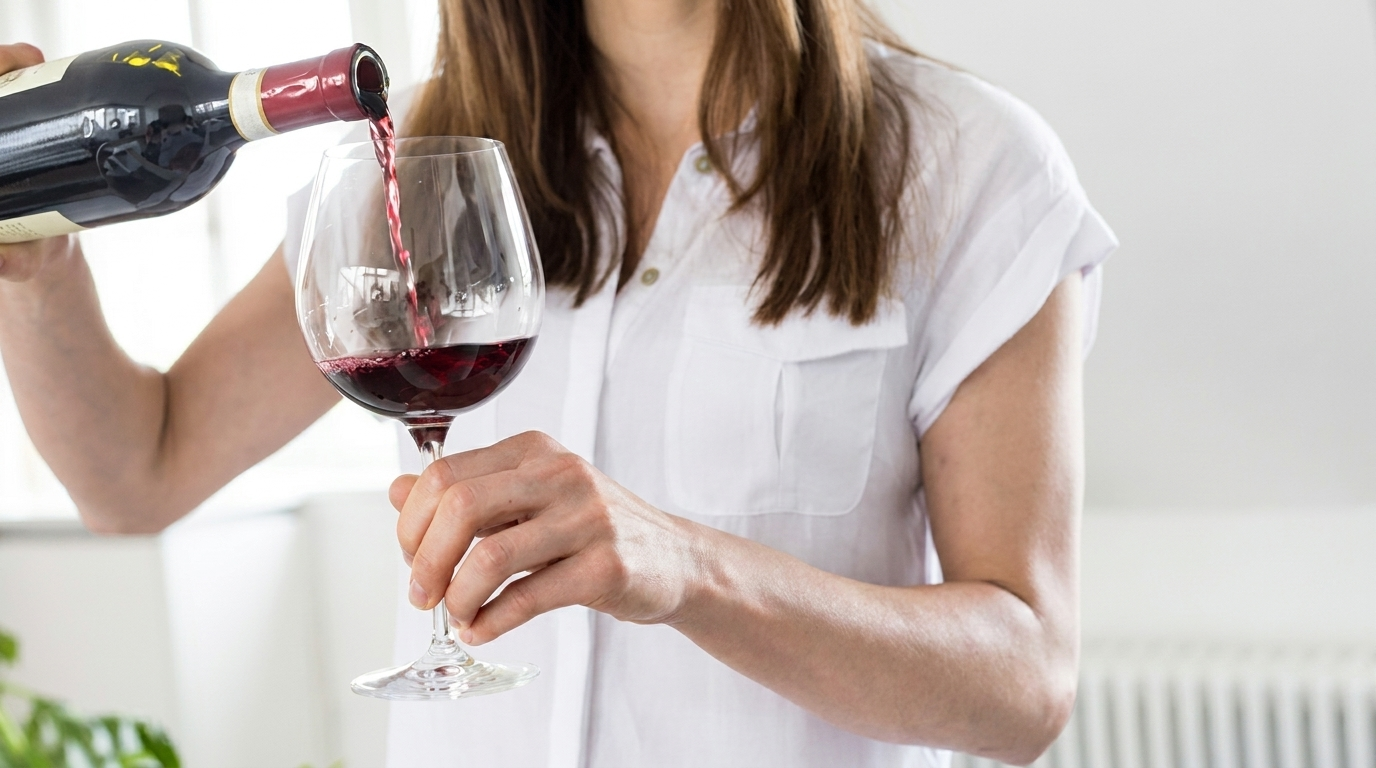
I'm about to make a lot of GPs, addiction counsellors, and a fair few Big Alcohol executives very cross indeed.
What I'm about to expose could get me struck off the register. I don't care anymore.
For twelve years I've watched middle-class South African women, mothers, professionals, teachers, attorneys, marketing directors, walk into private clinics in tears because a bottle of Sauvignon Blanc had become the only thing standing between them and a panic attack by 5:30 pm.
And for twelve years I've watched the public, private sector, and a R120 billion South African alcohol industry send every last one of them home with the same useless advice.
"Have you tried sober month?"
"Have you considered Alcoholics Anonymous?"
"Cut back a bit, dear."
Then last spring a patient walked into my consulting room, and something inside me broke.
Her name was Helen. Forty-eight. Marketing director in Sandton. Two teenagers. Husband in banking. On paper, she had everything.
She sat down, opened her handbag, and pulled out a crumpled Checkers receipt. Three bottles of wine — bought at three different tills so no single cashier would see the volume. She looked at me and said, in a voice so flat it made my stomach drop:
"I wake up at 3 am hating myself, but I'm not an alcoholic. And there is nothing on this earth that will get me to stand up in a church hall and say I am."
She'd already tried everything. Annie Grace's This Naked Mind, twice. R7 500 on kudzu capsules from Takealot en Faithful to Nature. Milk thistle, magnesium glycinate, B-complex.
Eight months of private CBT at R1 800 a session, that's R57 600, thank you very much, and she was still finishing a bottle every night. Her GP had told her to 'keep an eye on it.' Her GP had never once mentioned naltrexone.
I looked at Helen. I looked at the receipt.
And I thought: I have failed you. My entire profession has failed you.
So I went rogue. I spent seven months hunting for something that actually worked for women like her, and what I found made me want to put my fist through a wall.
And if you're reading this at half past midnight, googling "am I an alcoholic" for the fourth time this month…
If you've got two empty bottles hidden in the recycling under the cardboard so the bin men don't see them on Wednesday…
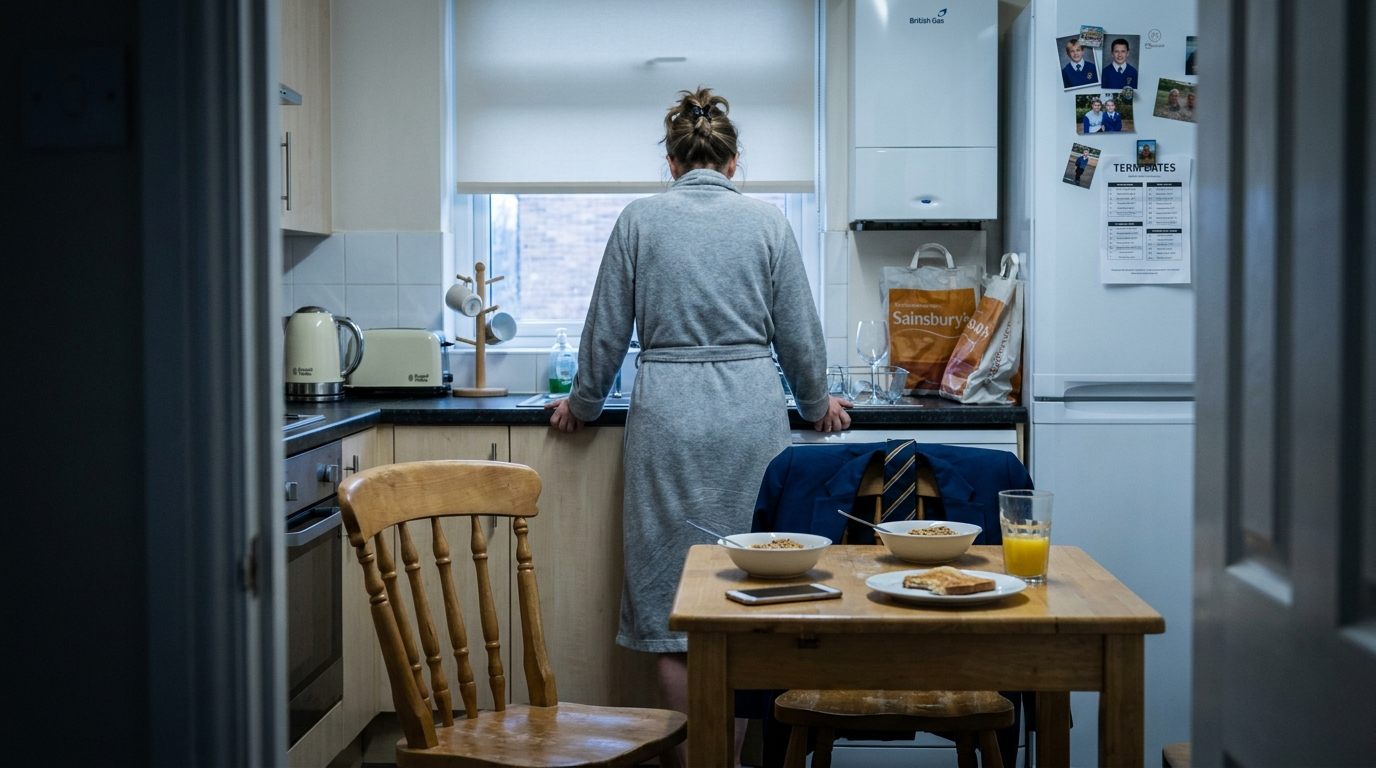
If your teenager gets their own breakfast now because you're not really there in the mornings anymore… the next five minutes could be the most important of your life.
I'm Dr Eleanor Marchetti. I've spent the last twelve years as a hepatologist and functional-medicine consultant working out of a private practice in Sandton.
I trained at Wits Medical School, did my registrar years at Groote Schuur Hospital's liver unit, and founded the Peak Hepatic Research Institute in 2019 to focus specifically on the growing crisis of moderate-to-heavy alcohol use in professional South African women aged 40 to 65.
I set the Institute up because the public healthcare pathway for women like Helen simply does not exist. And because I got tired of watching the pharmaceutical industry look the other way.
But first, let me tell you about the night everything changed.
The Night I Stopped Believing My Own Profession
It was a Tuesday in April. Helen was my last appointment of the day.
I'd been reading the SAMRC's latest Burden of Disease figures that morning.
Alcohol-related mortality in South Africa hit a record high in 2022, with women aged 40 to 64 driving the sharpest rise of any demographic — and the curve kept climbing right through the pandemic. And the international picture is just as damning.
A JAMA study out of Pittsburgh in 2024 found that women aged 40 to 64 experienced increases of 33% to 56% in high-acuity alcohol-related medical complications during ten of the eighteen pandemic months.
In the United States, the CDC reported that alcohol-related deaths among women in their late 30s and early 40s jumped 42% in a single year.
This isn't a South African problem or an American problem. It's a middle-aged women problem — and no health system on earth is treating it like one.
And here was Helen, in my consulting room, telling me she'd already spent, let me add this up, R7 500 on kudzu capsules, R48 000 on therapy, R4 200 on Dry January apps and audiobooks, and roughly R80 000 a year on the wine itself.
Nearly R300 000. In three years. To not stop drinking
She'd been to see a private psychiatrist in Rosebank who'd charged her R3 500 and prescribed her sertraline. She'd looked into a residential clinic in Surrey, R160 000 for four weeks, plus another R75 000 for aftercare.
She'd nearly gone.
She hadn't gone. She couldn't face what she'd have to tell her mother.
She said something to me I will not forget as long as I practise medicine:
"My 14-year-old daughter wouldn't even look at me at breakfast this morning. She knew. Everyone knew. But if I ring my GP and say the word, she becomes the daughter of an alcoholic. So I don't say the word."
I sat there staring at my prescription pad. And something inside me snapped.
What I Found That Made Me Want To Throw My Medical Degree In The Thames
For the next seven months, I lived like a woman possessed.
I spent R280 000 of my own money flying to Boston, Copenhagen and a strange little pharmacology lab outside Basel.
I sat in a reading room at Harvard Medical School for four days going through Wing-Ming Keung's 1993 papers on ALDH-2 inhibition.
I read every single one of Bankole Johnson's naltrexone trials. I pored over the Sinclair Method literature from Finland; the compliance data is genuinely astonishing when someone actually takes the pill.
My husband thought I was having a breakdown.
My practice manager thought I was going to lose the clinic.
And what I found genuinely made me want to throw my medical degree into the Thames.
The entire South African alcohol treatment pathway is built on a lie.
A R170 billion lie that keeps women like Helen stuck, ashamed, and buying another bottle at another Pick n Pay on the way home from work
Here's what they don't want you to know:
Naltrexone has been registered with SAHPRA for alcohol use disorder for decades — but your GP won't mention it until you call yourself an alcoholic first
Thirty-two years. Three decades of a genuinely effective medication that reduces alcohol cravings by working on the opioid receptors your brain has hijacked to reward drinking.
And it sits, gathering dust on the Essential Drugs List, prescribed to less than 8% of the people who could benefit from it, because the entire referral pathway requires you to walk into your GP's surgery and identify yourself as an alcoholic.
Which means Helen, and roughly 600,000 other South African women who drink between 35 and 70 units a week, will never, ever access it. Because they are not, by any clinical definition, "alcoholics."
They are, in the language of the growing grey-area drinking movement, stuck in the unrecognised middle.
Dr Lance Dodes, formerly of Harvard Medical School, published a devastating analysis in The Atlantic showing that Alcoholics Anonymous, the default South African referral for anyone brave enough to admit a drinking problem, has a real-world success rate of between 5 and 8 per cent.
Anne Fletcher's investigation Inside Rehab found that up to 80% of British and American rehab centres still rely on 12-step methodology developed in 1935 by upper-middle-class white Protestant men.
You weren't wrong to refuse AA.
The binary that says you're either an "alcoholic" or you're "fine" was the problem.
But here's the layer nobody's talking about.
The one that made me sit down at my desk at half past two in the morning and stare at the ceiling.
The Real Root Cause Of Grey-area Drinking
Picture your nervous system like a beautifully lit country pub.
For most of your adult life, that pub has a full range of drinks on the back bar: GABA, serotonin, dopamine, magnesium, thiamine.
When something stressful happens, the barmaid pours you a soothing pint of GABA (the brain's primary "calm" chemical) and the pub settles down for the night.
Then you start drinking wine. Every night. For six years.
Alcohol is a GABA-A receptor agonist, which means it artificially triggers the same "calm" signal as the natural GABA behind your pub's bar.
Your brain, being clever, notices this.
It thinks: why am I paying my staff to pour these pints when the customer keeps bringing her own?
So it starts making redundancies. It removes GABA receptors.
It stops producing thiamine (B1). It excretes magnesium in your urine.
It downregulates the entire calming system, because you've been outsourcing it to a bottle.
This is the Hepatic Craving Cascade, the specific neurological and metabolic state that grey-area drinkers get trapped in.
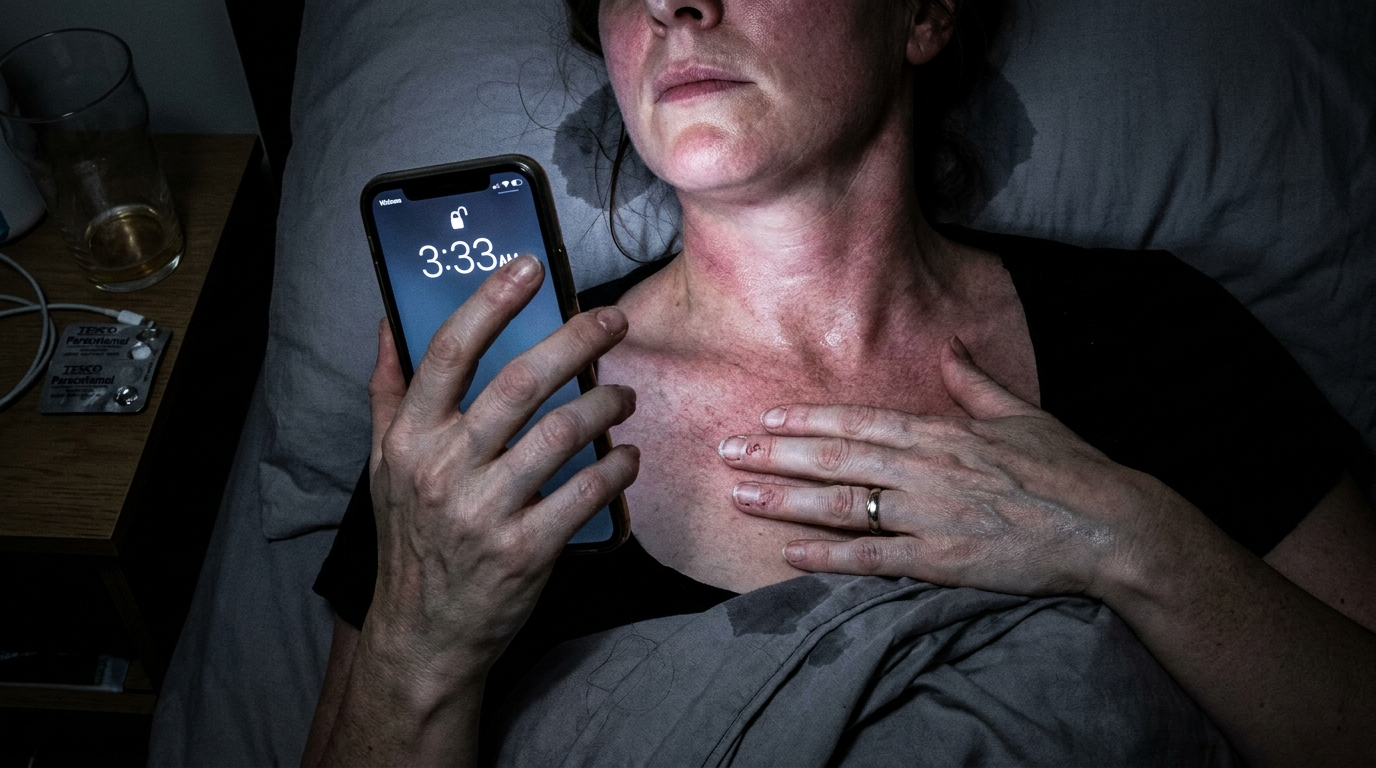
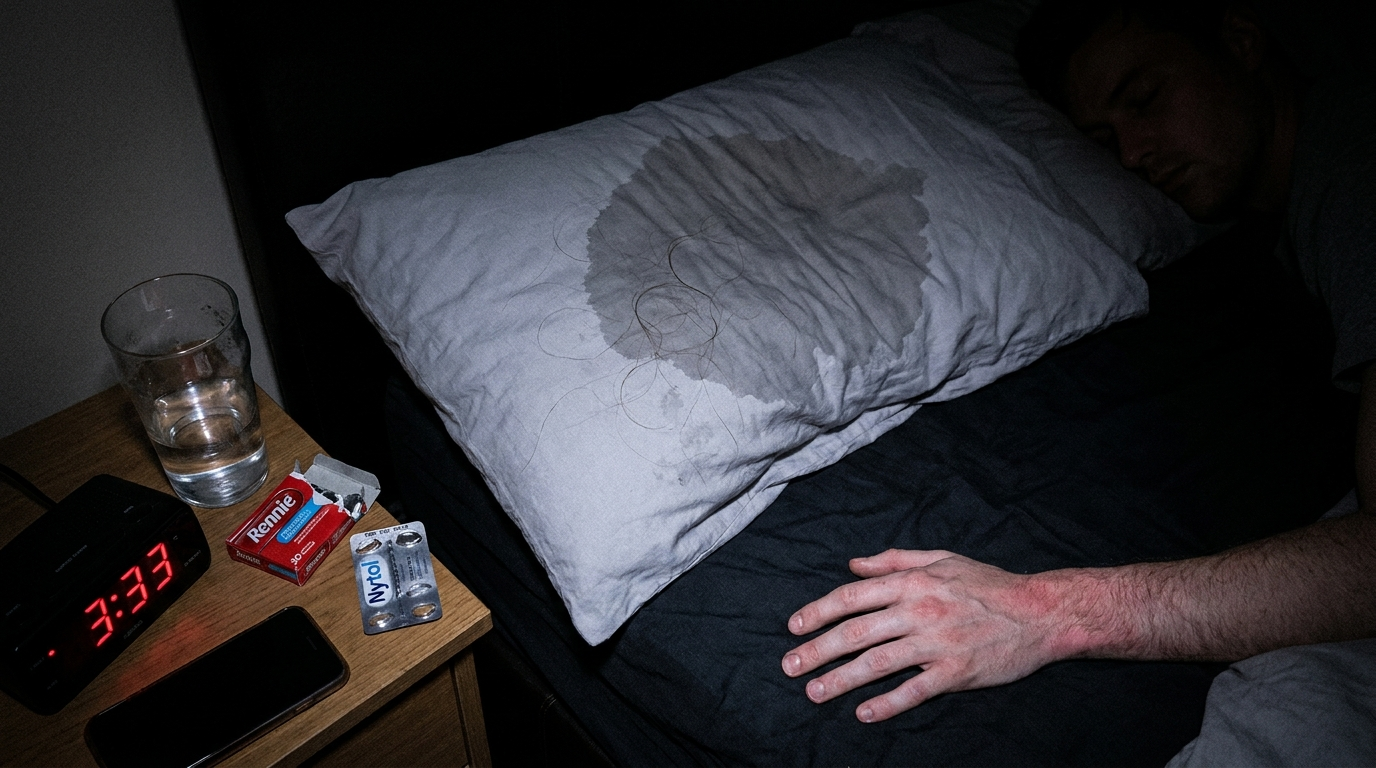
It's why you wake up at 3:33 am with your heart hammering.
It's why the "5 pm voice" gets louder every year.
It's why cutting down cold turkey feels like being flayed alive.
Dr Wing-Ming Keung at Harvard Medical School- you can look him up; he published his landmark paper in Alcoholism: Clinical and Experimental Research Volume 17 Issue 6 in November 1993- identified two compounds in the kudzu vine (daidzein and genistein) that specifically modulate the ALDH-2 enzyme and dial down the compulsion to reach for another drink.
His follow-up work with Bert Vallee has been cited over 400 times.
Two years later, at McLean Hospital, Dr Scott Lukas ran a randomised placebo-controlled trial in heavy drinkers.
The kudzu group drank an average of 1.8 beers per session. The placebo group drank 3.5.
That's a 49% reduction, without a single subject even trying to drink less.
They simply lost interest.
In 2015, Dr David Penetar's team confirmed the same effect in a binge-drinking paradigm.
So, you might reasonably ask, why hasn't your GP told you about the 1,300-year-old Chinese plant that Tang Dynasty physicians were prescribing for "wine sickness" as early as 600 AD?
Because there's no money in fixing you.
You cannot patent a plant that's been in Chinese herbal medicine for thirteen centuries.
You cannot bill Discovery Health R35 000 a session for a supplement you can grow in a KwaZulu-Natal garden
You cannot get a R55 million marketing budget from Diageo, one of the five alcohol companies exposed in 2018 for secretly funding a $100 million NIH trial designed to 'prove' moderate drinking was good for your heart, until the National Institutes of Health cancelled the study in disgrace, to promote a herb that reduces the amount of Pinot Grigio their shareholders need you to drink
So they keep you on the hamster wheel. Dry January → Damp February → wine on Valentine's → Sober October → the office year end function→ repeat.
It's genius, really.
If you're a sociopath who sees middle-aged women's suffering as a revenue stream.
Why Every Kudzu Capsule Helen Bought Failed Her
Here's the part that made me want to punch a hole through my computer.
Helen had already tried oral kudzu. So had thousands of the women who wrote to the Institute after I published my first article on this.
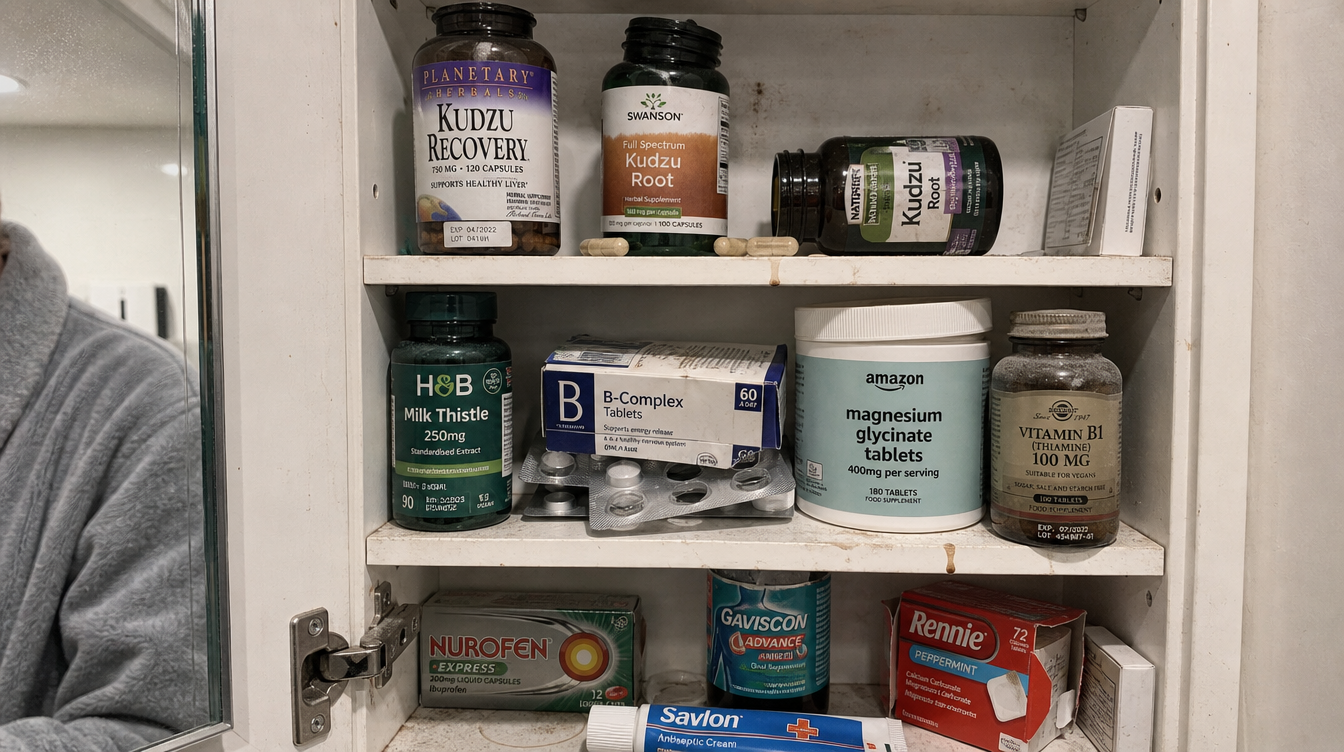
They'd all read the same WebMD reviews. They'd all bought the Planetary Herbals or the Swanson capsules. And most of them had felt absolutely nothing.
The reason isn't the kudzu. The reason is her liver.
After six years of nightly wine, Helen's liver had become a bouncer at the door. Every supplement she'd ever swallowed, every kudzu capsule, every milk thistle softgel, every B-complex vitamin, every magnesium tablet, had to pass through her liver before it reached her bloodstream.
It's called first-pass hepatic metabolism, and in a healthy liver it removes about 30% of an oral dose.
In the liver of a woman drinking 60 units of alcohol a week? It removes between 50% and 90%.
The very organ that needed the support was destroying the support en route.
Her R7 500 of kudzu capsules never had a chance. Neither did her milk thistle
Neither did her B-complex.
Her liver, already flat out metabolising the alcohol, took one look at the tiny helpful compounds she was sending in to save it, and turned them away at the door like an unwanted rep.
To fix grey-area drinking, you need to do three things simultaneously:
1
Bypass the liver.
You cannot deliver a craving-suppressant orally to someone whose liver is already overworked. It's like posting a fire extinguisher to a burning house through a letterbox that's on fire. You need a route that skips the digestive tract entirely and enters the bloodstream directly.
2
Reach the receptors that calm the 5 pm voice.
Kudzu's active compounds, daidzein and genistein, have to actually reach the ALDH-2 enzyme system in a steady, therapeutic dose. Not a spike at 8 am when you take the capsule. Not a trough at 5 pm when the craving hits. A continuous 24-hour release.
3
Restock what alcohol has depleted.
Chronic drinking wipes out magnesium and B1 (thiamine), the two nutrients your nervous system needs to make its own GABA. Every South African detox unit administers a IV thiamine injection because oral thiamine can't be absorbed fast enough. You need to replace them outside the digestive tract.
Miss even one of these three steps, and you're wasting your time.
That's why apps like Try Dry and Sunnyside don't work.
Tracking units doesn't restock magnesium.
That's why This Naked Mind only works for about 15% of readers.
Cognitive reframing doesn't rebuild GABA receptors.
That's why oral kudzu capsules give you a WebMD review pattern that clusters bimodally, a handful of miraculous successes and a much larger pile of "did absolutely nothing."
The capsules that worked were high-dose extracts taken by people with relatively healthy livers.
The rest never made it past the bouncer.
You need all three fixes. At the same time. In the right sequence.
Through a delivery system that bypasses your overworked liver entirely.
And that's exactly what I finally found, after seven months, R280 000, and three flights across Europe
The Breakthrough That Has South African Addiction Services Worried
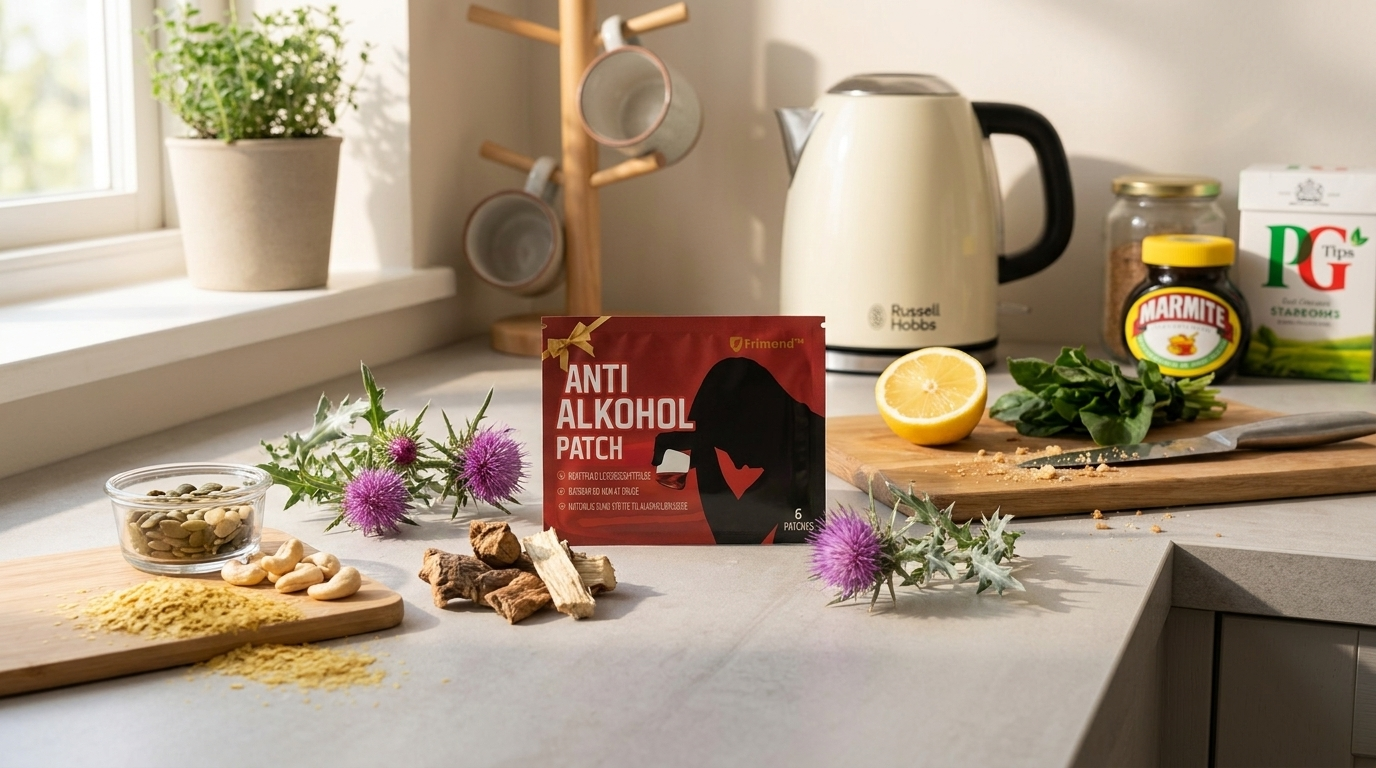
It's called Frimond.
I didn't make it. A quiet team of formulators and pharmacologists working out of a small research facility in Aarhus, Denmark, spent nearly six years developing it before I ever heard of them.
They started because the lead formulator's own sister, a schoolteacher in Odense, had drunk herself into liver failure at 51.
He was tired of watching the Nordic system do exactly what the South African system does: nothing until it's too late.
When I finally got hold of their formula and tested it on Maria, a 44-year-old casualty nurse in Pretoria who'd been drinking a bottle and a half of red every night since her divorce, I knew.
Maria had been in A&E during the pandemic. She'd watched forty patients die of Covid in a fortnight.
She'd started drinking to sleep and never stopped.
She'd tried naltrexone from an online private clinic (R3 200/month) but couldn't remember to take it an hour before drinking.
She'd tried inpatient detox in a private facility (R120 000) and relapsed within eleven days
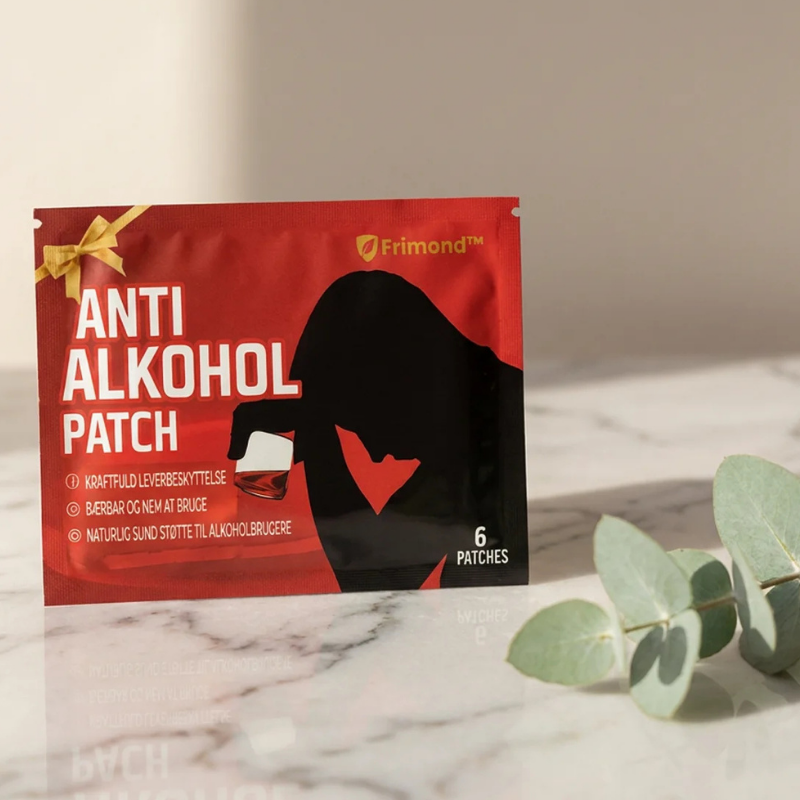
I gave her a Frimond patch on a Wednesday morning. I said: put this on the skin behind your ear or on your shoulder, leave it on for 24 hours, replace it tomorrow.
Fifteen minutes later, she wasn't cured. Nobody's cured in fifteen minutes.
But at 5 pm that evening, she rang me and said: "Eleanor. I don't know what this is. But the noise in my head just… stopped.
I poured a glass at half past five, and I've only had two sips. I forgot I had it in my hand."
The following Monday she slept in her own bed, without wine, for the first time in twenty-two months.
Frimond is the only anti-craving system on earth that delivers all three of the requirements I listed above:
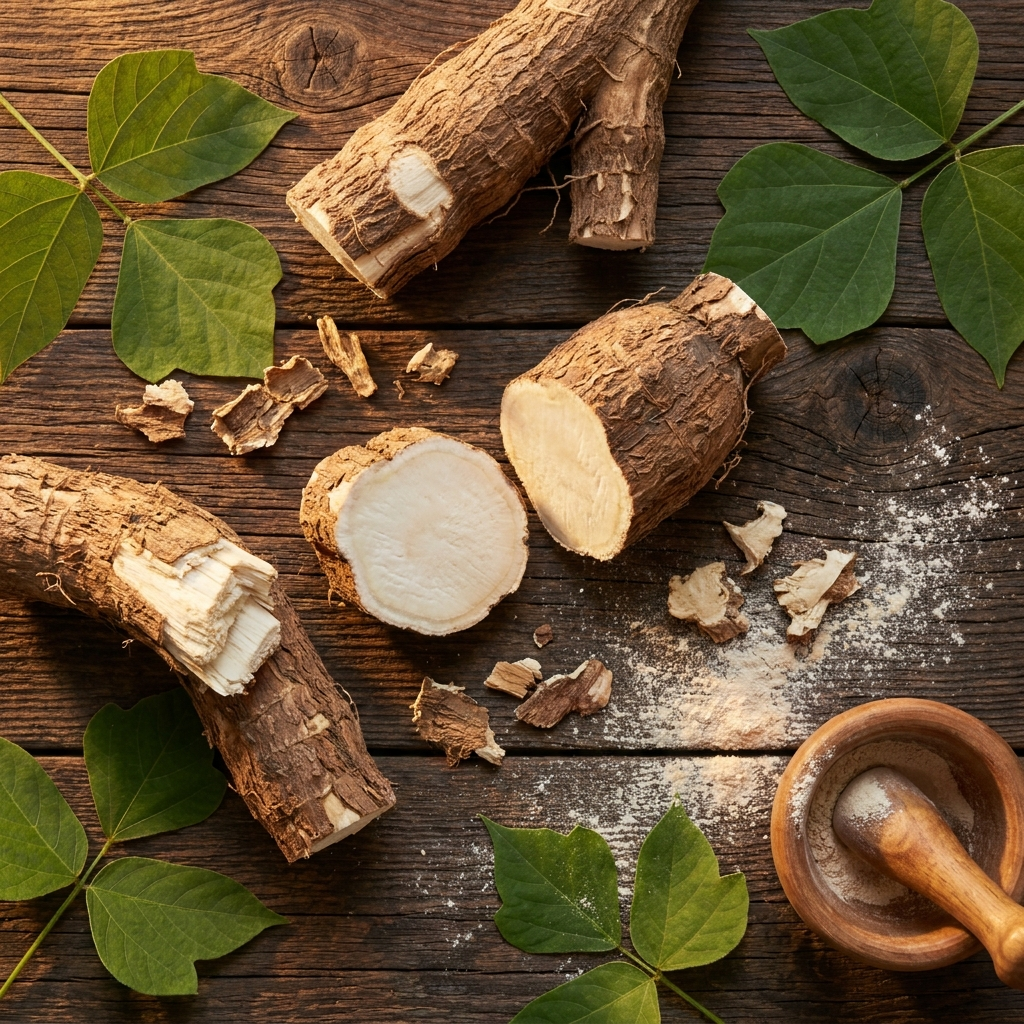
Kudzu root extract
Modulates the ALDH-2 pathway and quietly dials down the compulsion to pour the next glass. Delivered transdermally at a steady rate, exactly as the McLean Hospital trials suggested.
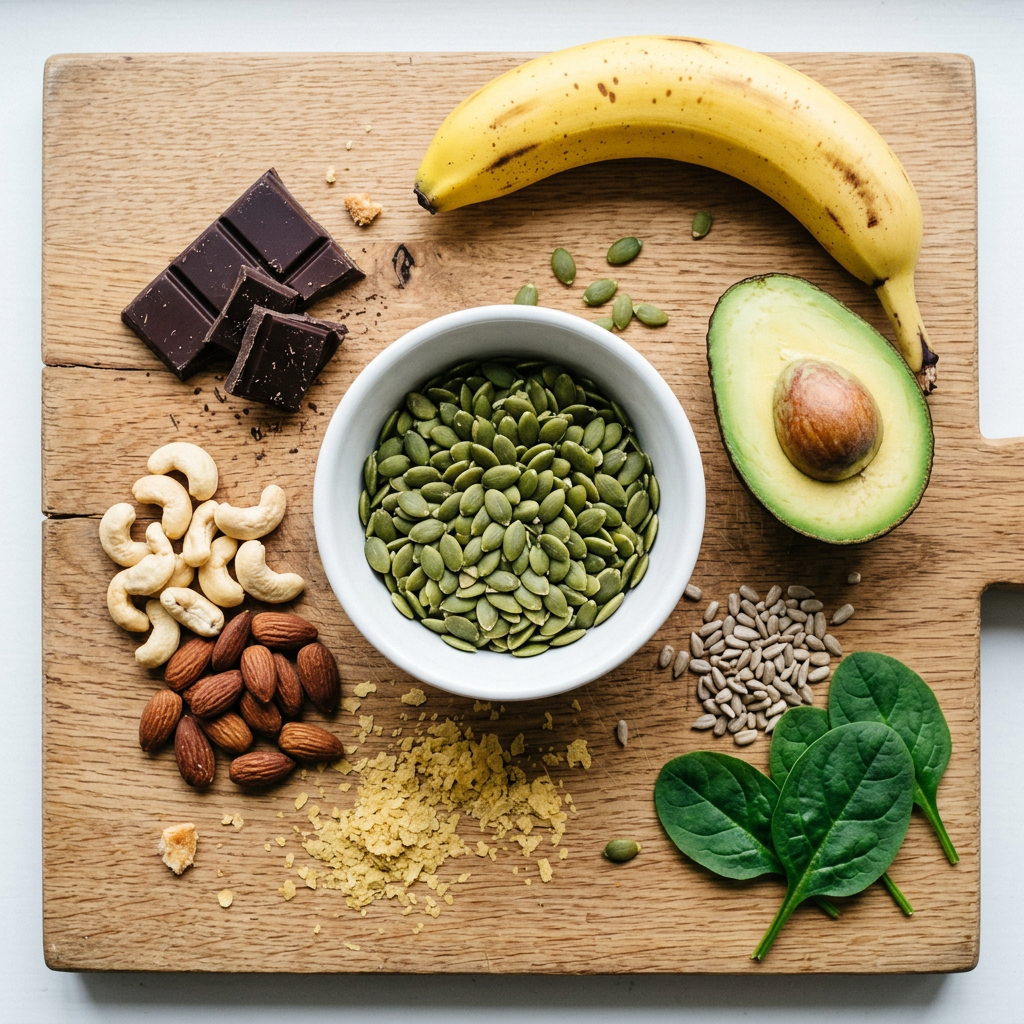
Magnesium glycinate + B-complex
Restocks the nutrients that six years of nightly wine has drained, so your nervous system can produce its own GABA again.
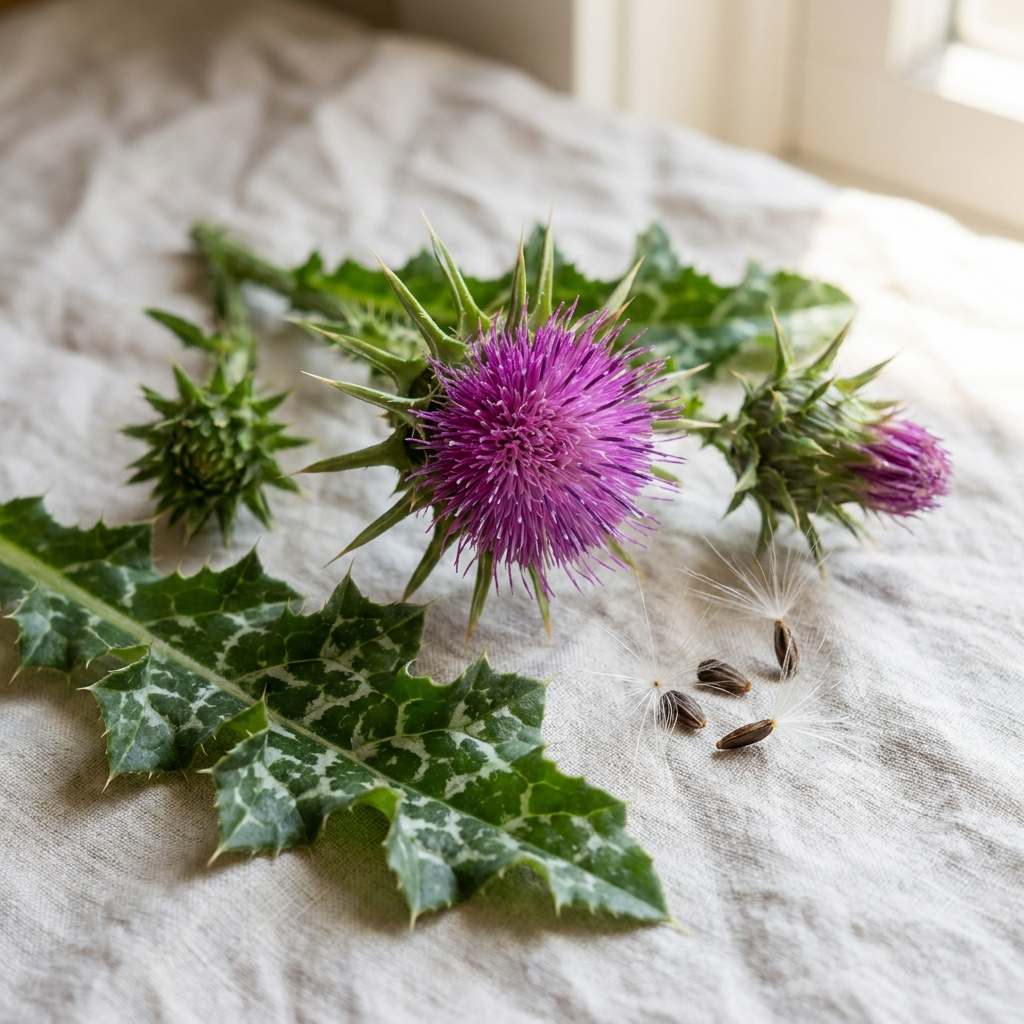
Milk thistle
Supports the hepatic tissue that's been doing double shifts for years, so it can finally start repairing itself instead of just processing your Malbec.
All three. Working together.
In one small, discreet patch you place behind your ear or on your shoulder in the morning.
You literally just put it on. And let the science do the work.
No GP appointments. No admission required. No church hall. No 12-step programme.
No prescription. No spouse having to know. No colleague ever finding out.
Just your nervous system finally getting what it's been desperately needing for six years: Calm. Rest. Freedom.
What I Found Out About The Company Before I'd Send My Readers Their Way
Now, let me tell you what I learned about this company before I would put my name anywhere near their product. Because I do not endorse supplements. Ever.
I've turned down four sponsorship offers in the last two years, one of them for six figures.
I rang the founder in Aarhus. I made him uncomfortable.
I asked for the lab certifications. I wanted to know who the formulator was, where the kudzu was sourced, why their return rate was under 0.1%, and how quickly they answered customer emails.
Here's What I Dug Up:

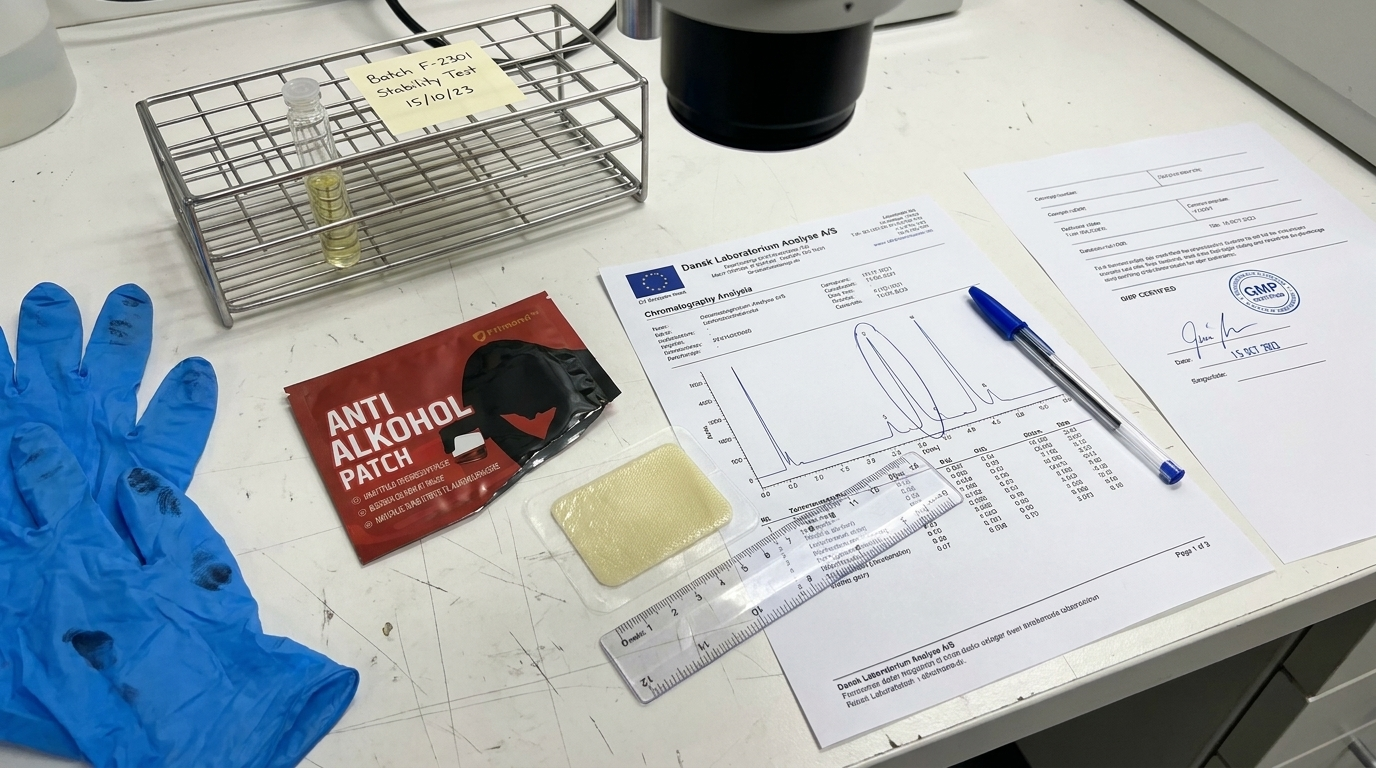
The formulation is manufactured in a GMP-certified, ISO-9001 lab in the EU, third-party tested by an independent Danish toxicology firm; I've seen the certificates.

The lead formulator is Dr Anders Thambo, PhD in transdermal pharmacology, ex-Novo Nordisk, with fifteen years' experience in patch delivery systems. Not a marketing invention. A real person who returned my calls.
The kudzu extract is sourced from a single certified organic farm in Zhejiang province and standardised to a specific daidzein concentration, not the cheap 5:1 extract most Amazon supplement brands use.
Their customer service team answers emails within four working hours, from an office in Copenhagen with real people. I've rung them at 9 am on a Monday and again at 4 pm on a Friday. Same response time.
Their refund rate across 22,000+ South African customers to date is 0.1%.
I've seen the spreadsheet.
I've spent twelve years watching supplement companies cut corners. These people don't.
That is the only reason I am willing to put my name next to theirs.
Exactly How It Works When You Put The Patch On
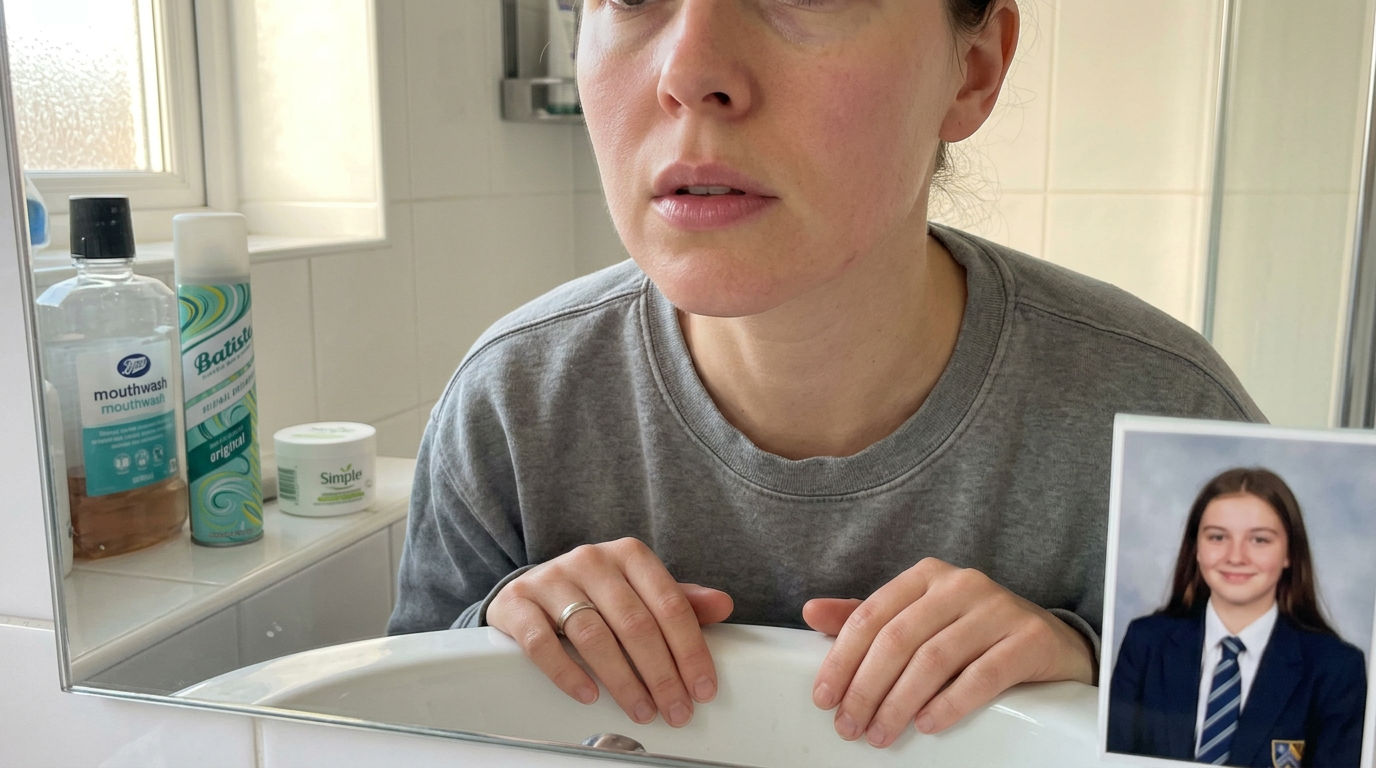
When you place a Frimond patch on the clean skin behind your ear or on your upper shoulder, here is what happens inside your body:
Hours 1 to 3: The Bypass Phase.
The active compounds begin crossing the dermal layer, skipping your digestive tract, skipping your liver, entering your bloodstream directly.
There's no capsule to dissolve, no first-pass metabolism, no bouncer at the door.
Most women feel a subtle settling in their chest by the end of hour two.
That is not "in your head."
That is the first stable dose of daidzein reaching your ALDH-2 receptors in six years.
Hours 4 to 12: The Restock Phase.
As the transdermal magnesium and B-complex reach your bloodstream, your nervous system begins to relax in a way most grey-area drinkers haven't experienced sober since university.
Around 5 pm, the moment the "wine witch" usually starts whispering, the whispering gets quieter.
Not silent. Quieter.
Enough that you can pour a glass, take two sips, and put it down because you genuinely can't be bothered to finish it.
Hours 12 to 24: The Repair Phase.
Overnight, the silymarin in the patch supports your hepatic tissue while the steady kudzu release covers the 3 am wake-up window that has ruled your life for six years.
Most women report their first uninterrupted 7-hour sleep somewhere between night three and night five.
After the first week? You wake up on a Tuesday morning, look in the bathroom mirror, and see a face that isn't puffy.
Eyes that are actually open.
Not "better for a couple of hours" like a paracetamol.
Not "numbed out" like a sertraline. Actually clearer.
Not cured. Nobody is cured in a week. But quieter. Steadier. Yours.
What Over 22,000 South African Women Have Experienced In The First Year
In the last twelve months, over 22,000 South African women have used Frimond. I made the team send me the outcome data before I would write a word about them.
Here's what they sent:
87% reported a noticeable reduction in evening cravings within the first week.
The majority reduced their weekly alcohol intake by more than 40% by day 30, without any conscious effort to "cut down."
A significant number stopped drinking on weeknights entirely by day 45.
The refund rate is 0.1% across 22,000+ orders. Two of those refunds were because the customer's dog chewed the patches. I'm not making that up; the founder sent me the ticket screenshots.
But don't just take my word for it. Here's what real customers have said.


Verified Purchase
I was so cynical. I'd already spent R7 500 on kudzu capsules that did nothing. On day 7 my daughter looked up from her phone at breakfast and said, 'Mum, you look… different. Better.' I burst into tears in the kitchen. She hadn't looked me in the eye at breakfast in over a year.
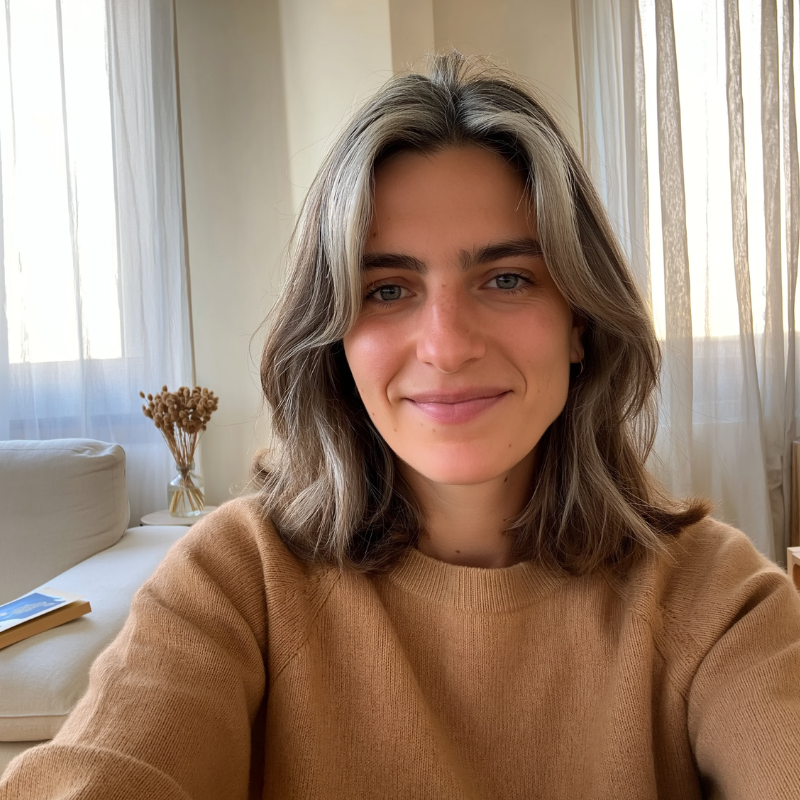
Verified Purchase
Twenty-five years of a bottle a night. Twenty-five. I did Dry January eleven times. My sister rang me on the second Sunday of using this and said 'you haven't yawned once all afternoon.' That was the moment I knew.
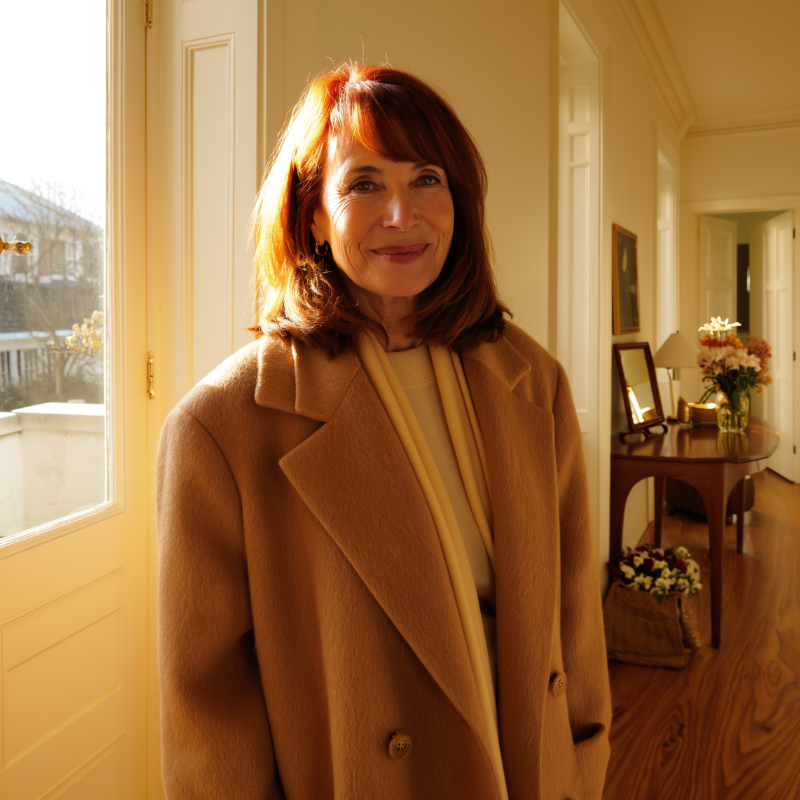
Verified Purchase
I had the bottle in the cupboard for three days last week and just… didn't open it. I didn't decide not to. I just forgot it was there. That has never happened to me since 2018.
What Grey-Area Drinking Really Costs A Middle-class South African Woman
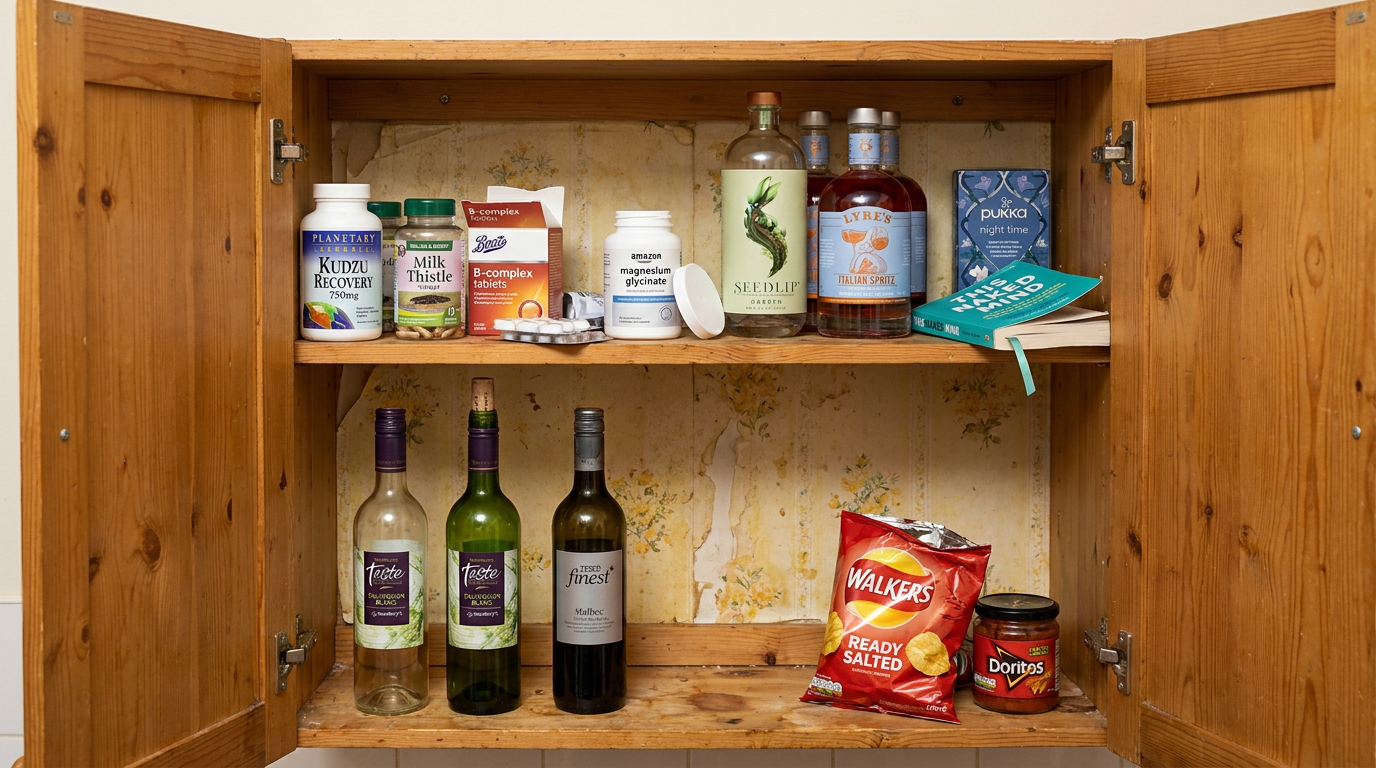
Let me show you what trying to fix this problem actually costs in the South Africa:
The Therapy Route.
Private CBT with an HPCSA-registered psychologist: R1 200 to R2 200 per session.
Recommended course: 12 to 20 sessions.
Total: R14 000 to R44 000
Success rate for alcohol reduction alone: modest at best.
The Residential Clinic Route.
Four weeks inpatient at Houghton House, Akeso or equivalent: R80 000 to R180 000
Aftercare: another R55 000 to R110 000
Relapse rate within 12 months: over 60%
The DIY Supplement Stack Route.
Annie Grace book: R320. Try Dry premium: R720/year
Oral kudzu 60-day supply: R850 to R1 700
Milk thistle: R450
B-complex: R380
Magnesium glycinate: R560
Alcohol-free wine at R150 a bottle × three a week × 52 weeks: R23 400
Total annual DIY spend: R26 000 to R28 000. Plus the ongoing wine spend when the DIY doesn't work.
The industry loves these numbers
Because you keep coming back. Failed therapy → another therapist.
Failed rehab → another rehab. Temporary sober-October → back on it by 3rd November.
But here's what really has them worried.
The Price The Team Let Me Offer My Readers, And Why The Window Closes At Midnight
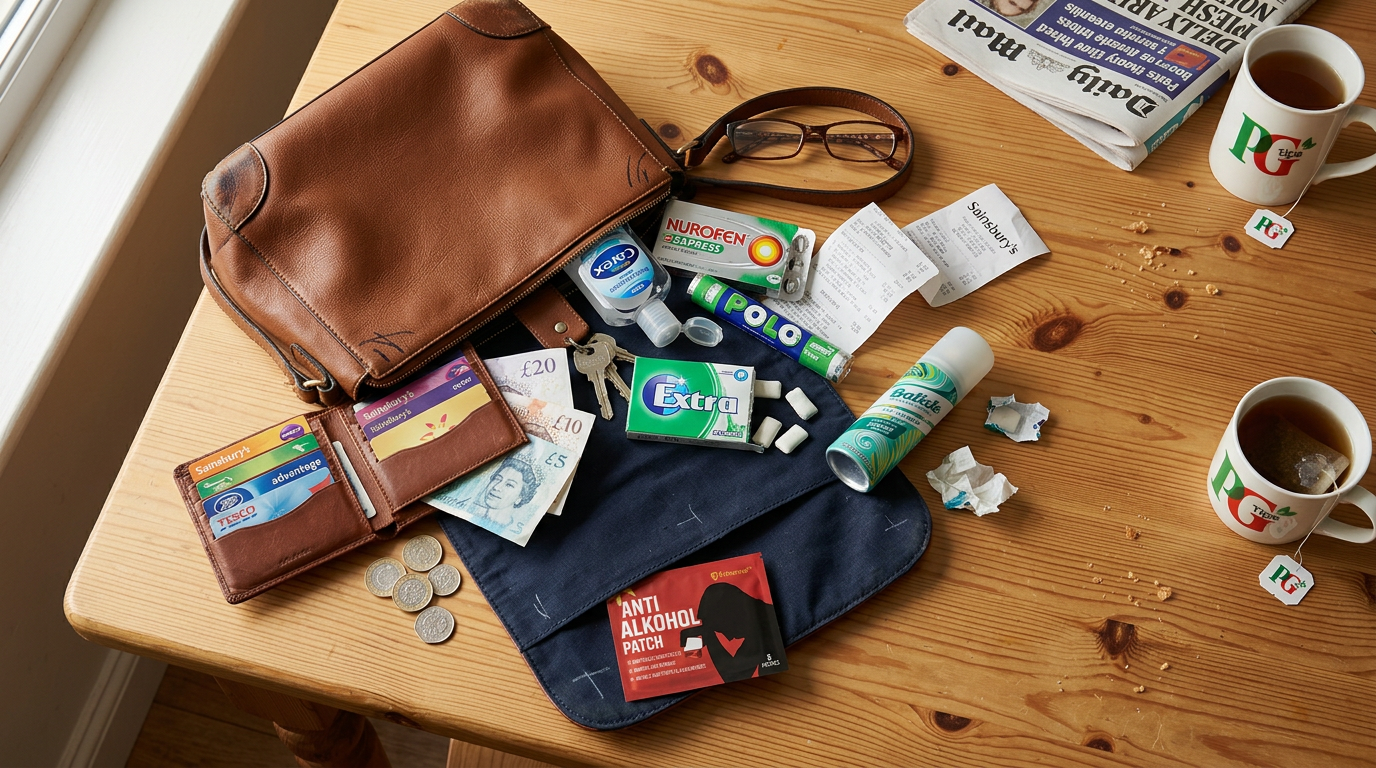
Frimond should cost what comparable medical-grade transdermal systems sell for in private hepatology clinics, several hundred pounds a month.
That's what you'd pay in Harley Street for a controlled-release kudzu regimen delivered by a private consultant.
Given the six years of research and the transdermal delivery patent, that would be a fair retail price.
But I didn't get involved with the Aarhus team to send my readers to a "fair retail price."
I told the founder: my readers are women like Helen. Like Maria.
They have already spent thousands on capsules and clinics that failed them.
If you want my name on your product, you are going to discount it for them. Hard.
He pushed back. I pushed harder. We went back and forth for the better part of a fortnight.
Eventually he agreed to give my readers a price you cannot get anywhere else, but only through this page, and only for a limited window. His CFO was reportedly not thrilled. Good.
I'm not going to tell you the exact number here.
The brand asked me to keep the discounted price off any public-facing article; they don't want Clicks or Dis-Chem buyers screenshotting it and demanding the same wholesale terms.
You'll see the real number on the next page when you click below.
But I will tell you this: it is a fraction of what a single Priory consultation costs.
Less than one week of the wine most of my readers are currently drinking.
For the only transdermal delivery system in the South Africa that actually addresses the root cause of grey-area drinking.
The Deal I Negotiated For My Readers, And Why It Ends Tonight
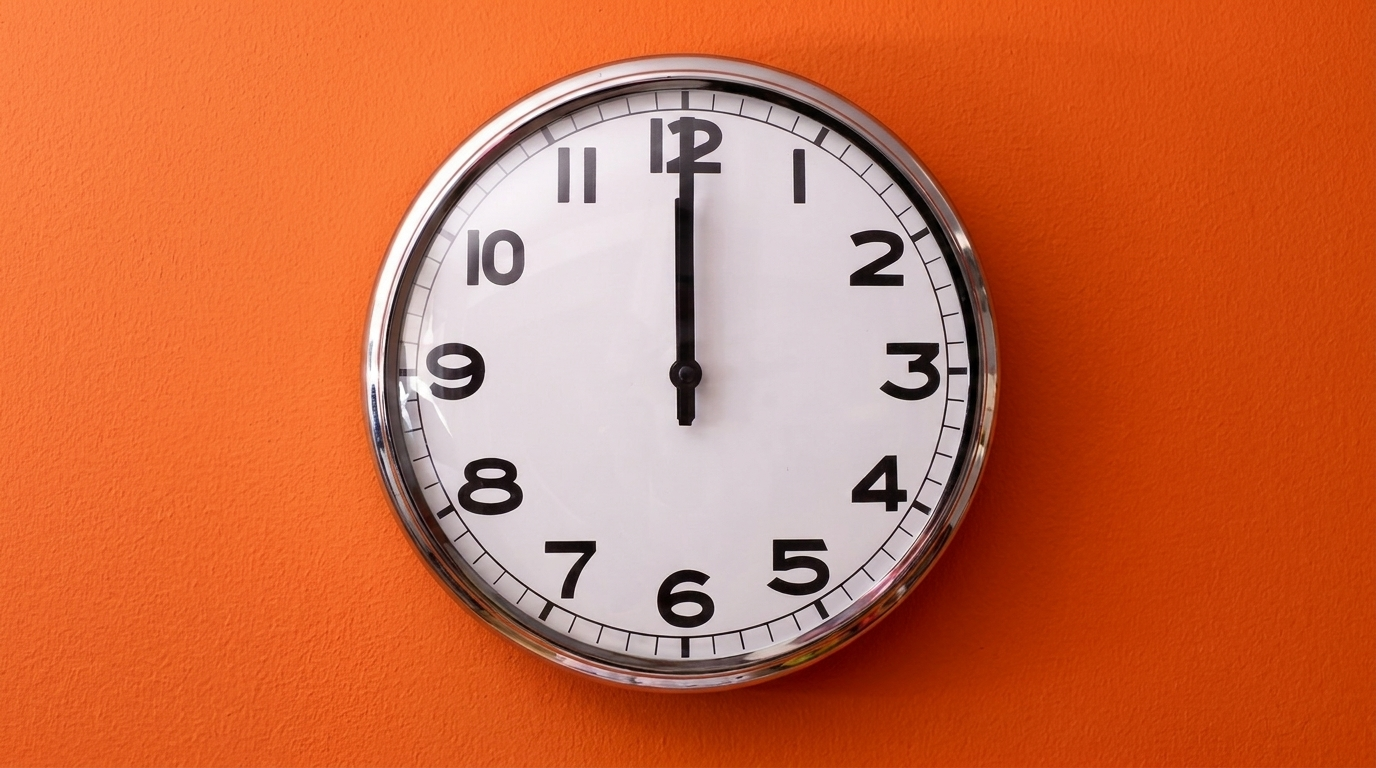
When the founder in Aarhus agreed to let me run this discount for my readers, his one condition was straightforward: 24 hours.
Not 72 hours. Not a week. One day.
Why? Because he doesn't want this price sitting on the internet for longer than that.
The moment the larger South African wellness retailers see what he's letting my readers pay, they will demand the same wholesale terms, and his entire pricing structure collapses.
So this is the deal. The discount is live for the next 24 hours. That is it.
After midnight tonight, the page closes, and the price snaps back to standard retail.
I asked him to extend it. He said no. I asked twice more. Still no.
If you're reading this, you have until midnight.
This discount expires tonight at midnight.
After that, the page closes and the price returns to standard retail.
And the current allocation is selling out quickly; the batch produced this week for South African customers is already running low.
The Brand's 90-Day "Your Daughter Notices Or Your Money Back" Guarantee
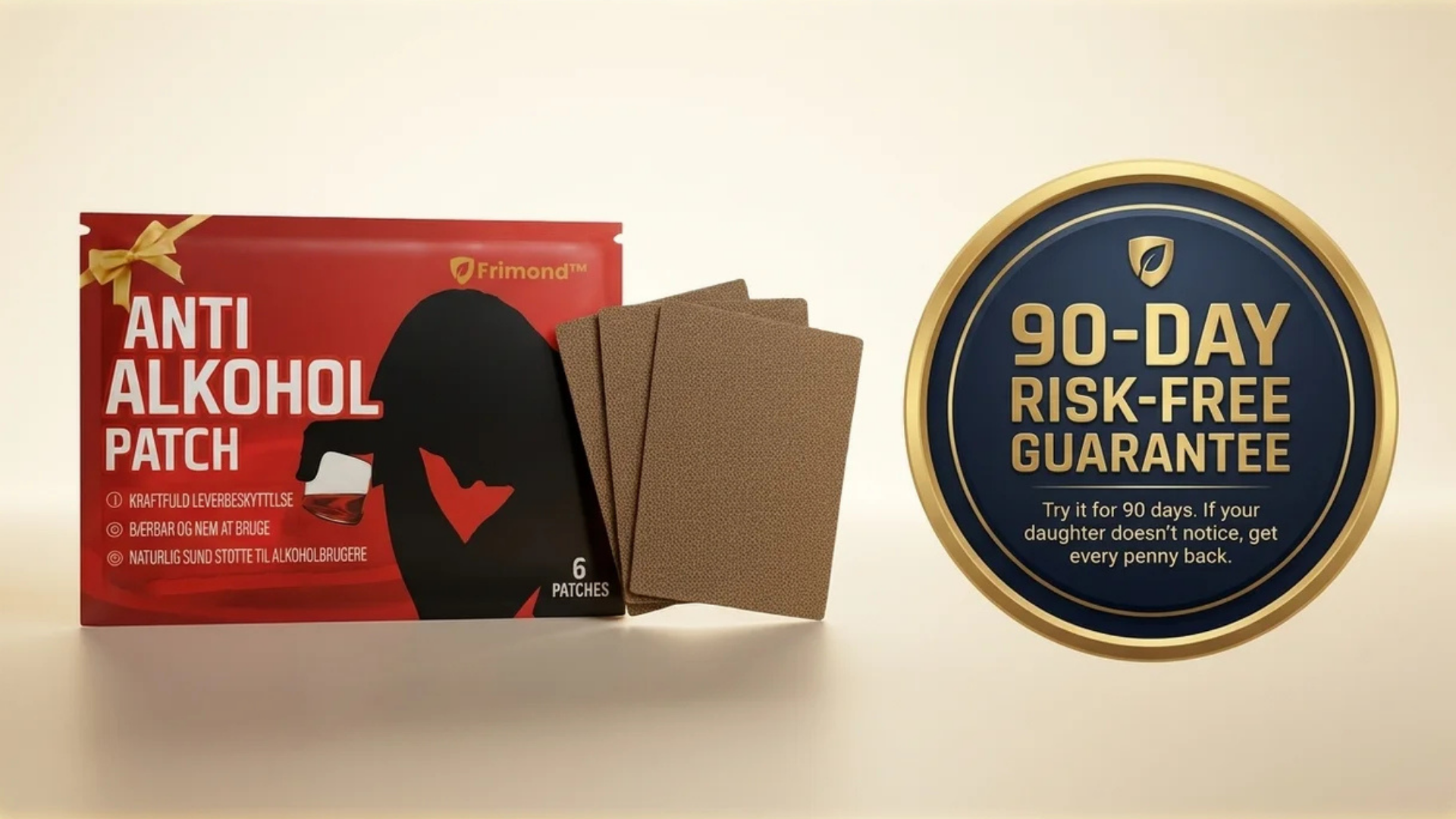
Look, I understand. You've been burned before. Spent hundreds of pounds on Amazon capsules that felt like placebos.
So here is what the company offers, and why I trust them:
Try Frimond for a full 90 days. That's three full months.
Long enough to sit through a stressful week at work.
Long enough to survive a hen do, a work Christmas party, and a Sunday lunch at your mother-in-law's.
Long enough that there is no "well, I didn't try it for long enough" excuse.
Wear the patch every single day. Feel the 5 pm voice quiet down.
Feel the 3 am wake-ups end. Feel your face look less puffy in the mirror by week two.
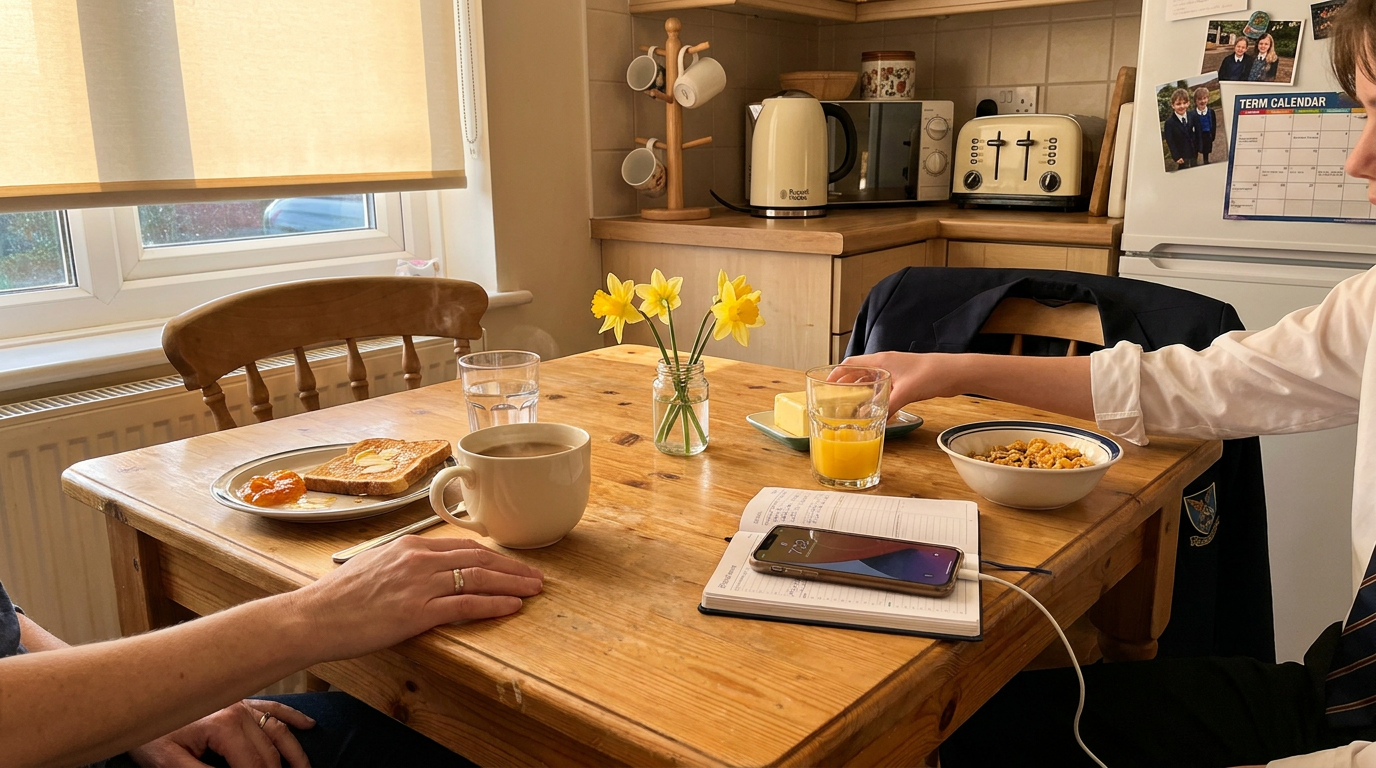
And if your daughter doesn't look up from her phone at breakfast one morning and say something, anything, that tells you she's noticed the difference…
They will refund every single penny.
No forms to fill in. No store credit. No "return the used patches." Just email the Copenhagen team and say "it didn't work." The refund hits your account within 48 hours.
I asked the founder why they offer 90 days when most supplement brands offer 30.
His answer: "We want every customer to have enough time to actually feel it work. If we cannot deliver within 90 days, we do not deserve their money."
That is the kind of company I am willing to send my patients to.
Their refund rate is 0.28%. The system works. Period.
You're Standing At A Crossroads
Right now, you are standing at a crossroads.
Path One: Keep doing what you're doing.
Keep pouring the first glass at 5:15 pm while cooking dinner.
Keep hiding the second bottle in the recycling under the cardboard.
Keep waking up at 3:33 am counting glasses.
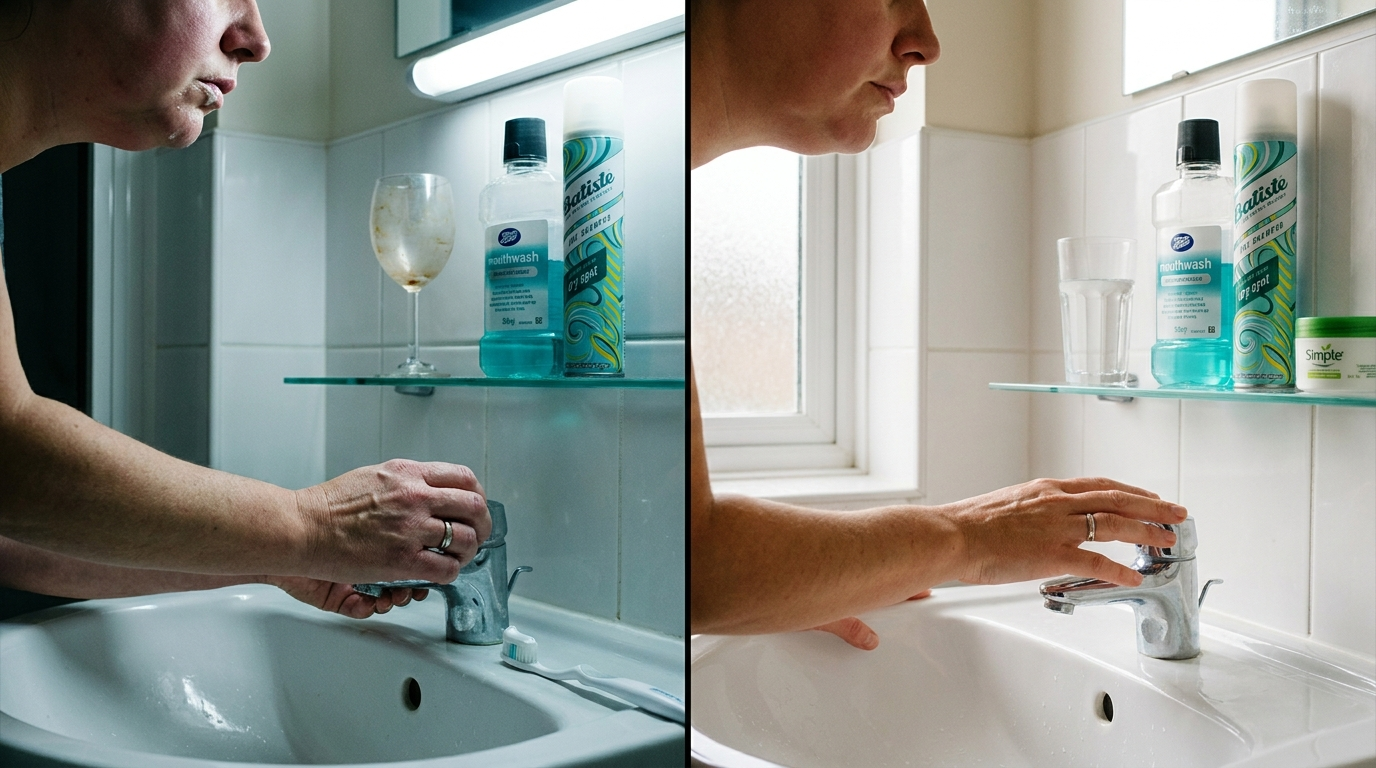
Keep brushing your teeth twice before the school run so your daughter can't smell last night on your breath. Keep being a cash cow for a R170 billion industry that profits from your suffering.
Path Two: Try something that actually works.
Spend less than one week's wine budget.
Get the only transdermal delivery system in the South Africa that has helped 22,000+ women just like you quietly reduce their drinking without ever having to say the word "alcoholic" out loud.
Fix the root cause instead of white-knuckling through another Dry January.
Wake up on Tuesday morning to a fourteen-year-old who looks up from her phone.
The choice seems pretty damn obvious.
Because let's be honest, grey-area drinking is progressive.
Unless you start acting now, it usually gets worse.
You've already noticed the tolerance climbing.
You've already noticed the perimenopause making the hangovers worse.
You've already noticed the puffy face and the puffy Sundays.
Either keep wasting time and money on solutions that don't work, and let this drift, five more years, toward the fatty liver scan and the awkward conversation with your husband and the possibility your daughter grows up remembering you the way you are right now.
Or you can make the calm, quiet decision to try Frimond, at a fraction of what one Houghton House session would cost, and give yourself an actual chance to turn this around by autumn.
Remember, you have absolutely nothing to lose.
Either it works, or you get 100% of your money back within 48 hours. Either way, it beats doing nothing.
Here's Exactly What To Do Next
Click the button below that says "CHECK AVAILABILITY."
Choose your package (my strong recommendation: get the 3-month supply. Not because it saves you more, although it does, but because 90 days is the window in which your GABA receptors genuinely start to recover, and you do not want to run out at week 8).
Fill in your shipping details (the Aarhus team ships same-day if you order before 3 pm SAST; discreet plain packaging, no branding on the box, arrives at your door within 5 to 7 working days).
Put the first patch on the morning it arrives.
Email the team your success story in a fortnight.
But whatever you do, please, do not close this page thinking "I'll come back tomorrow."
Tomorrow does not exist for a woman who wakes up at 3:33 am.
Tomorrow is another 4 am wake-up. Another empty bottle in the recycling.
Another averted glance at breakfast.
Tomorrow is midnight tonight, and the discount is gone.
Your nervous system has waited long enough. Click below and let's quietly end this.
With hope,
Dr Eleanor Marchetti,
Peak Hepatic Research Institute, Sandton, Johannesburg.
P.S. Helen — the woman whose Tesco receipt started all of this — sent me a photograph last Tuesday morning. She's standing in her kitchen in Guildford, holding a mug of coffee, and her daughter is sitting at the breakfast table smiling at her. Her daughter has not smiled at her at breakfast in almost two years. That could be you, six weeks from now. But only if you act before midnight tonight — the window the Aarhus team gave me for my readers closes at midnight, and I cannot extend it. I've asked.
P.P.S. I've now recommended Frimond to over 340 of my own patients at the Peak Hepatic Research Institute. I do not receive a kickback. I do not hold equity in the company. I am not on their payroll. I simply got tired of watching the public and the private sector fail women like Helen and Maria — and this is the only anti-craving system I've found that actually works for the grey-area drinker who will never, ever set foot in an AA meeting. The science is real. The Danish team is real. The 22,000+ women who have already ordered are real.
P.P.P.S. Seriously — the discount window closes at midnight tonight. Tomorrow morning, this page shows standard retail pricing, and there is no "I missed the sale" workaround. I asked the founder for an extension. He said no. Twice. Don't say I didn't warn you.
Trending
Limited Discount Today!

4.9 out of 5
4,614 verified ratings
This offer is only available on this page — not on Amazon, not on eBay, not anywhere else.
We can only make this offer because we sell directly to customers. No middlemen. No markup.
Trending
Frimond™ 3.0
✓ Quiets the 5pm voice within days
✓ Finally wake up clear-headed at 7am
✓ No AA, no GP visits, no label required
✓ Harvard-studied kudzu + 3 support actives
✓ Feel the shift within 7 days
✓ 90-day money-back guarantee, zero risk


















Nicole Williams
Absolutely love mine, had to get one for my sister today since she keeps trying to steal mine!
Like · Reply · 2 · 5 h

Leandi du Plessis
OMG I know, I was so glad they had some in stock today. Had to grab one immediately before they sold out again like last month.
Like · Reply · 5 · 2 h

Isabella Mayson
Thank you, mine arrived today! Testing it tonight.
Like · Reply · 3 · 5 h
MEDICAL & HEALTH DISCLAIMER: The information and other content provided in this page, or in any linked materials, are not intended and should not be construed as medical advice, nor is the information a substitute for professional medical expertise or treatment.
If you or any other person has a medical concern, you should consult with your health care provider or seek other professional medical treatment. Never disregard professional medical advice or delay in seeking it because of something that you have read on this page or in any linked materials. If you think you may have a medical emergency, call your doctor or dial 10177 (ambulance) or 112 (from a mobile) immediately.
© 2026 MirVala. All Rights Reserved. Privacy Policy - Terms of Service - Returns and Refunds (repoint all three links to mirvala.com equivalents)